Pro Solar Tech | Solar Power Plants, Solar EPC & Ground Mounted Solar Systems



Ground Mount Solar Racking Systems 3P-7 micropiles
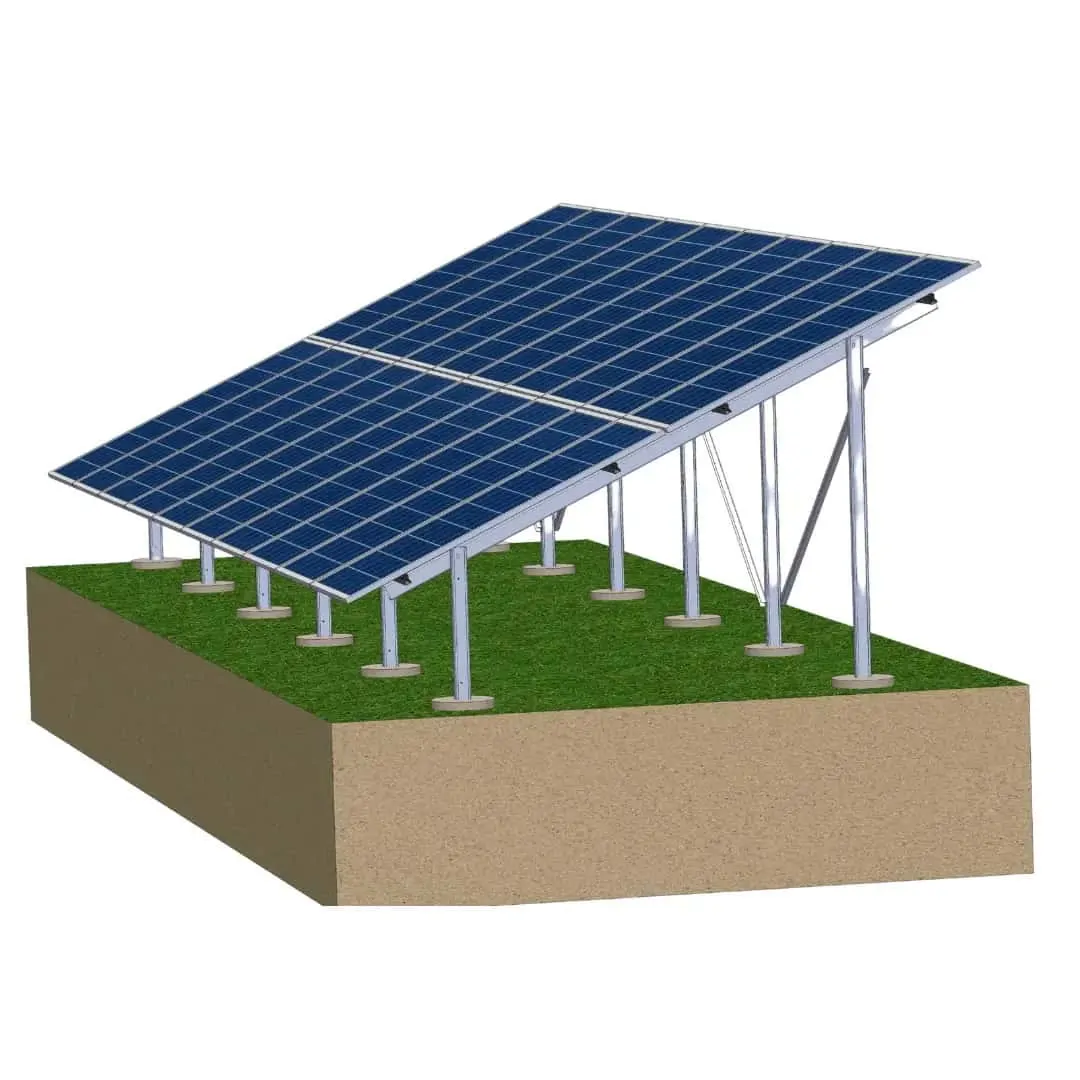
The Ground Mount Solar Racking System 3P-7 is one of the cheapest ground mount solar racking systems designed for utility-scale photovoltaic projects without compromising quality. Its fully galvanized steel structure ensures long-lasting durability with corrosion protection and reduced maintenance needs, even under harsh conditions. With tilt angle options of 8°, 10°, 12°, and 15°, the system offers flexibility to optimize solar energy yield. The foundation relies on galvanized steel poles anchored with ground micropiles, a solution particularly effective in rocky or difficult soils where traditional driving is challenging. Compact and modular, the 3P-7 guarantees fast installation, structural reliability, and excellent adaptability to diverse terrains.
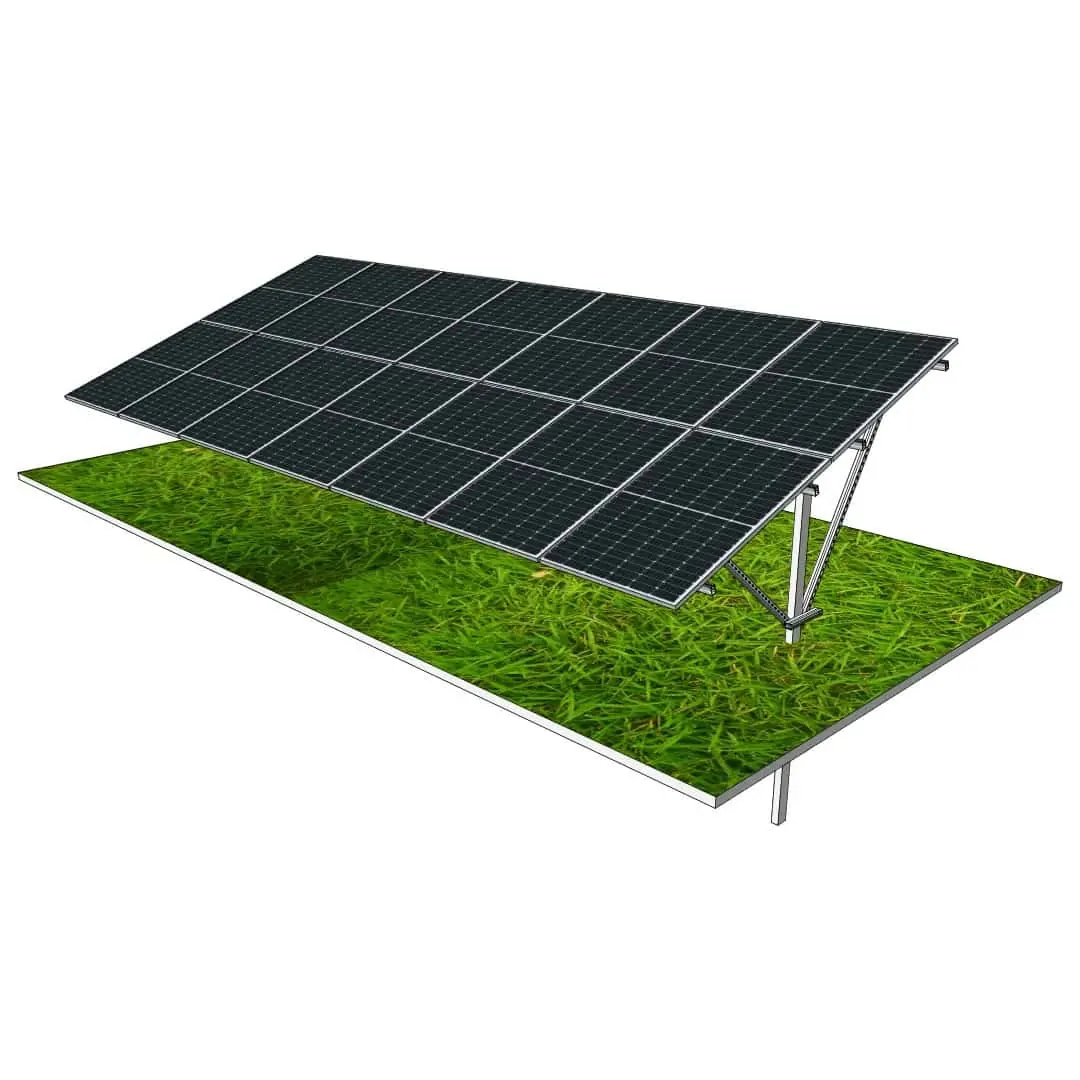
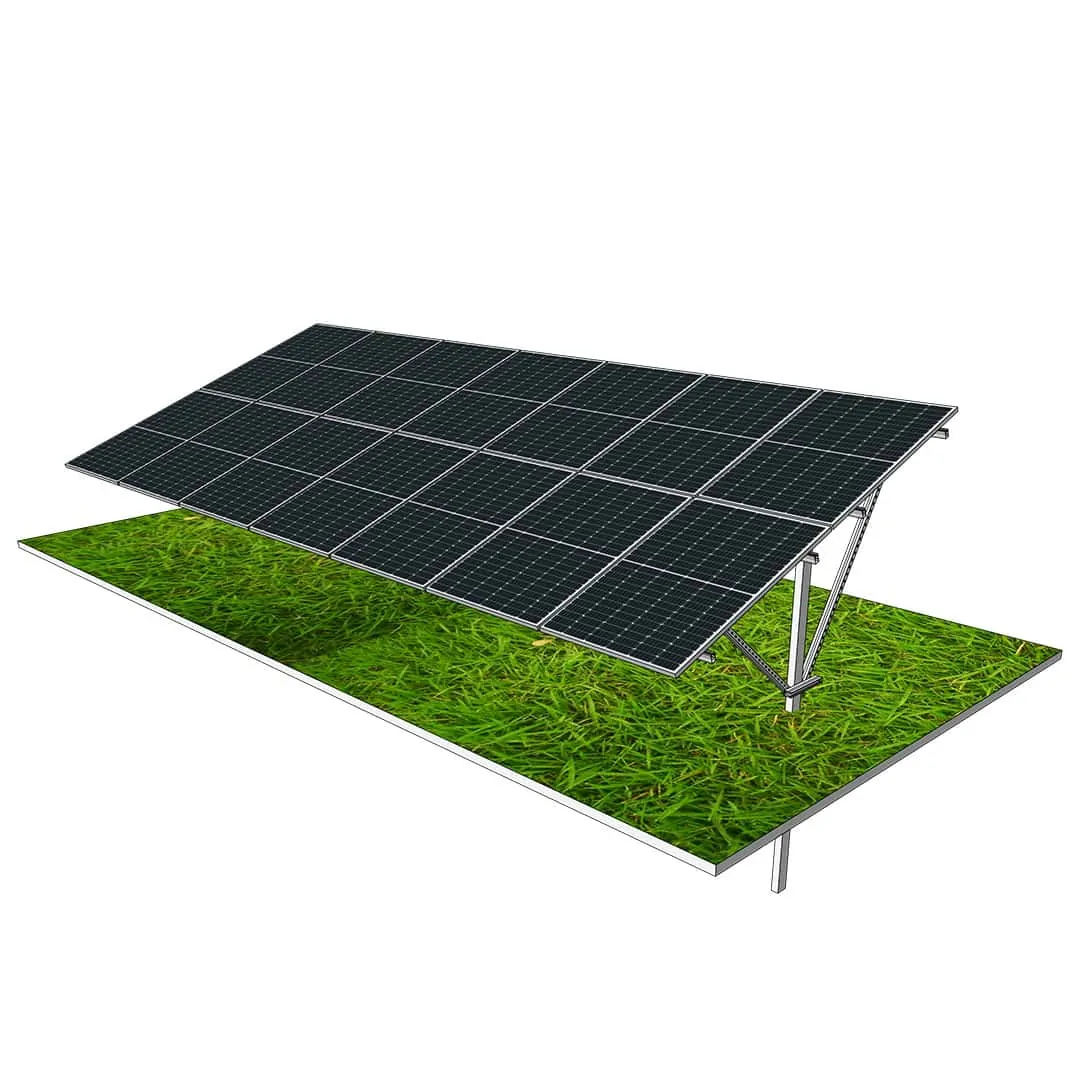
Capacity: 21 photovoltaic panels (2278 × 1134 × 30 mm)
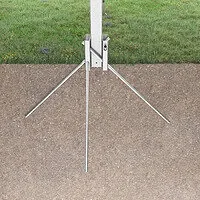
Foundation system: galvanized steel poles fixed in ground micropiles
Kit includes
- 8 galvanized steel poles (support posts)
- 4 main beams
- 12 transverse purlins
- 2 bracing members for structural reinforcement
- 32 galvanized ground micropiles Ø 12 mm (1500 mm each)
- Complete set of high-strength galvanized bolts (class 8.8)
- Aluminum clamps for panel fixation
Info: The photovoltaic panels have standard dimensions of 2278 × 1134 × 30 mm, with the tilt angles listed above. For other sizes or angles, please specify in your quote request.
Ground mount solar racking systems 3P-7 micropiles
The Ground mount solar racking systems 3P-7 Micropiles is a cost-effective and highly adaptable solution for solar parks and commercial-scale PV projects, particularly in locations with difficult or unstable ground conditions. Built from fully hot-dip galvanized steel, the structure ensures long-lasting corrosion resistance and minimal maintenance, while its foundation on micropiles enables safe and reliable installation where conventional ramming or concrete bases are not possible. This includes terrains with rocks, sand, debris, uncompacted soil, or even mine tailings. With a compact layout that accommodates three modules in portrait orientation and seven rows per table, the system supports 21 panels per structure. Pre-drilled and labeled parts simplify alignment, reducing installation time and errors. For EPCs and developers seeking an affordable, robust, and flexible racking system, the 3P-7 Micropiles is the ultimate choice.
Key advantages of the Ground mount solar racking systems 3P-7 Micropiles
- Lowest total installed cost: By replacing concrete and deep ramming with light, driveable micropiles, the system cuts material, transport, and installation costs while avoiding curing delays and heavy civil works. Crews use compact tooling and minimal plant, so site mobilization is cheaper and safer. The pre-engineered kit reduces cutting, drilling, and rework on site, and the small footprint lowers restoration costs at decommissioning. In aggregate, these factors make 3P-7 Micropiles the most economical structural option in its class for challenging ground, without sacrificing structural performance or warranty coverage.
- Adapts to virtually any terrain: Micropiles achieve dependable anchorage in soils that defeat conventional foundations—cobbles, rubble, mixed fills, expansive clays, or partially consolidated embankments. Spacing, penetration depth, and pile grouping can be tuned locally to match geotechnical variability across the site. The superstructure tolerates modest height variations, so rows remain aligned even when ground levels change. This adaptability keeps the project buildable where other systems stall, preserving energy yield targets and permitting schedules on sites that would otherwise require expensive ground remediation.
- Maximizes land utilization: The compact three-portrait, seven-position table minimizes inter-row setbacks while maintaining clear O&M corridors and safe access for cleaning and IR inspections. Because micropiles disturb only small soil plugs, arrays can be threaded through constrained plots, around buried utilities, or across reclaimed ground with minimal grading. The result is more installed DC capacity per square meter and better plant-level kWh/m², particularly valuable on parcels with irregular boundaries or environmental buffers that restrict conventional layouts.
- Minimizes long-term maintenance needs: Fully galvanized steel members, class 8.8 fasteners, and aluminum module clamps resist corrosion in humid, saline, or dust-laden environments. Connection geometry is designed to prevent crevice corrosion and to keep preload stable under thermal cycling and wind excitation, so joints do not loosen over time. Open profiles shed dirt and water, reducing cleaning frequency and hidden moisture traps. These details translate into fewer truck rolls, lower OPEX, and predictable availability over the asset’s lifetime.
- Modular scaling without redesign: The table architecture expands linearly by repeating identical bays; future phases can extend arrays without re-engineering the base structure. If module formats change, only the clamping set and purlin spacing typically need adjustment, preserving the primary steel. This modularity shortens engineering lead times, simplifies procurement and spares, and de-risks multi-year rollout strategies where technology or supplier roadmaps may evolve.
- ESG-aligned and reversible installation: Eliminating mass concrete cuts embodied carbon and avoids permanent soil sealing. Micropiles are removable, enabling near-full land restoration at end of life—an advantage in leased-land scenarios and environmental permits. With steel and aluminum that are recyclable at rates exceeding 95%, the system supports circular-economy goals and eligibility under sustainability-linked financing or tender criteria.
Capacity
Each 3P-7 Micropiles structure accommodates 21 photovoltaic panels with standard dimensions of 2278 × 1134 × 30 mm. Its compact configuration makes it particularly suitable for medium-scale installations or sites with irregular terrain.
Tilt angles
Standard tilt options are 8°, 10°, 12°, and 15°, optimized for East-West performance. Other custom tilt angles can be engineered on request to meet site-specific requirements.
Compatible photovoltaic panels
Optimized for modules of 2278 × 1134 × 30 mm (widely used industry standard). On request, we can deliver clamp sets and purlin spacing for other module dimensions or frame thicknesses to keep your BOM consistent across suppliers.
System components
- 8 support poles: Primary verticals in hot-dip galvanized steel that interface with the micropile caps to transfer axial, shear, and overturning loads safely into the ground. Their section and spacing are sized for site wind and snow actions, maintaining alignment and table geometry over decades of service with minimal settlement sensitivity.
- 4 main beams: Longitudinal girders that tie the verticals into a continuous frame, distributing loads from purlins and clamps across multiple supports. The beams’ gauge and coating class protect against fatigue and corrosion, while factory drilling guarantees precise hole positions for rapid, error-free assembly on site.
- 12 cross purlins: Transverse members that set module spacing and support the frame edges, keeping portrait strings straight under wind uplift and thermal cycling. Their profile balances stiffness with low weight, and the open geometry discourages water retention, mitigating hidden corrosion and reducing O&M touchpoints.
- 2 bracing members: Diagonal bracing elements that increase racking stiffness and control racking drift, preventing torsion and racking-induced module stress. Properly tensioned, they dampen vibration under gusts and help maintain array straightness, which protects wiring slack, clip integrity, and long-term connector reliability.
- 32 micropiles Ø12 mm (1500 mm each): Steel micropiles driven or screwed to target depth and refusal to achieve specified pull-out and lateral capacities. Small-diameter piles minimize spoil, reduce noise, and bypass sub-surface obstacles better than large rams, enabling secure anchorage on problem soils without heavy civil remediation.
- Set of high-strength galvanized bolts (class 8.8): Structural fasteners dimensioned for slip-critical joints with coating that resists red rust and galling. Correct preload maintains clamp force through temperature swings and dynamic loads, preventing fretting and preserving connection stiffness over the full design life.
- Aluminum clamps: Purpose-designed mid and end clamps that match the specified frame height, distributing pressure uniformly to avoid point loading. Anodized finishes and stainless hardware ensure bi-metal compatibility and long-term grip without marking module frames or compromising manufacturer warranties.
We are direct manufacturers with extensive stock of ground-mount structures for fast dispatch. The 3P-7 Micropiles platform delivers the lowest installed cost for difficult soils, with the adaptability, durability, and speed EPCs need to keep projects bankable and on schedule.
| Tilt angle | |
|---|---|
| Solar panels | |
| Foundation system | |
| Poles |